
Introduction
Biaxially Oriented Polypropylene (BOPP) film is one of the most widely used packaging materials across global industries—food packaging, labels, lamination rolls, tobacco film, and more. Its strength, clarity, and moisture resistance make it ideal for consumer goods. As worldwide packaging consumption increases, BOPP waste generation also rises, creating a major challenge—and a major business opportunity—for recyclers.
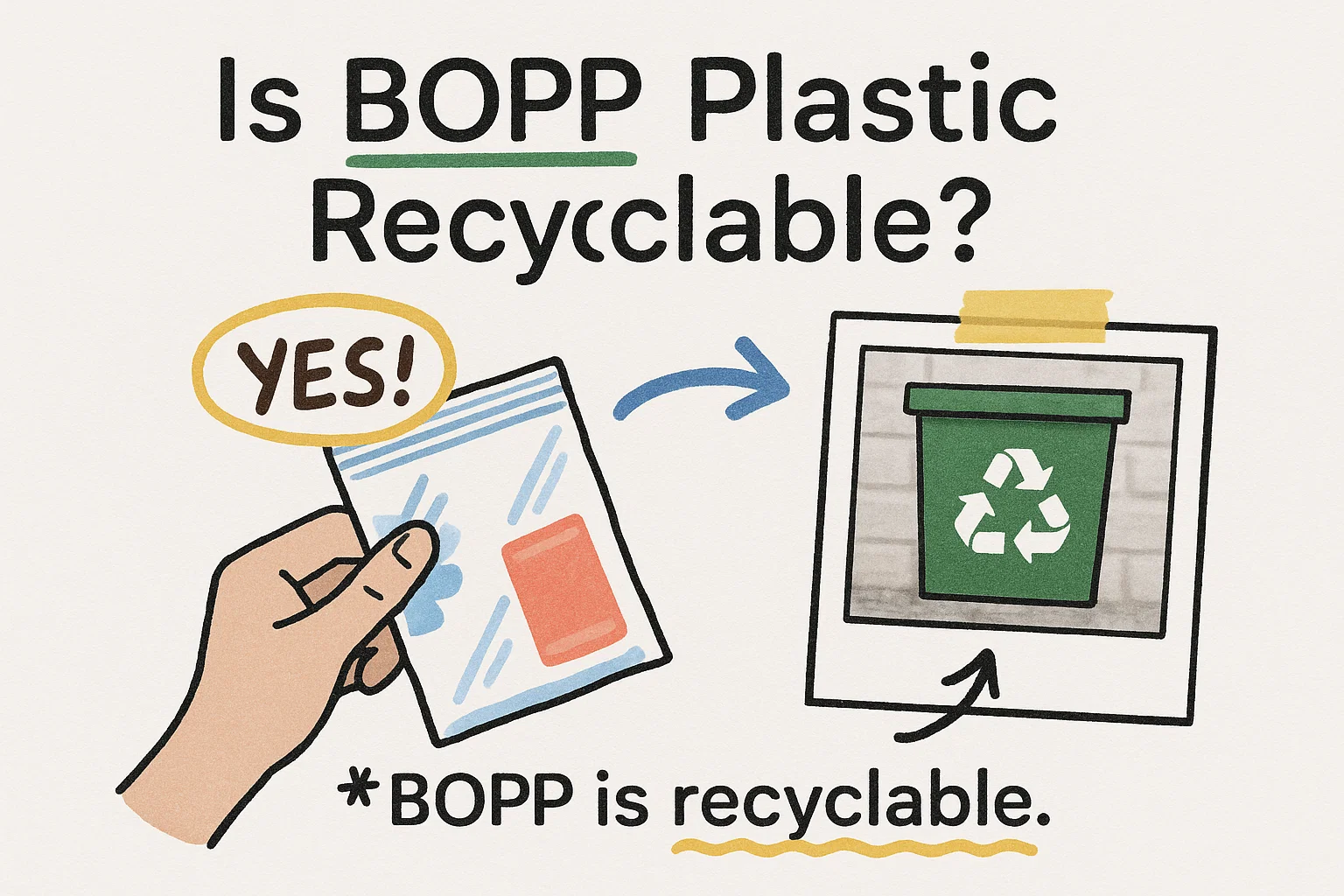
Despite its popularity, many factories still ask: Is BOPP plastic actually recyclable?
The short answer is yes. BOPP can be recycled within the polypropylene (PP) stream, but its thin-film structure requires specialized equipment and workflow to achieve high-quality recycled pellets.
This article explains the recyclability of BOPP, how the recycling process works, and why choosing the right machinery—such as Rumtoo Machine’s engineered solutions—ensures stable, profitable operations.
What Makes BOPP Different from Other Plastics?
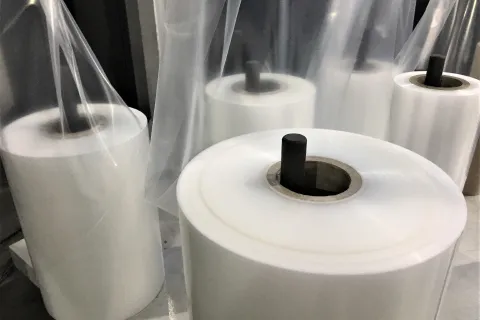
BOPP is chemically identical to standard polypropylene, but its biaxial orientation gives it:
- High tensile strength
- Low density
- Excellent stiffness and clarity
- High barrier properties
- Low moisture absorption
These benefits make it ideal for packaging, but also introduce challenges during recycling, such as:
- Soft, lightweight films that are difficult to feed
- Wrapping issues in shredders
- High surface contamination area
- Printed inks and adhesives
- Metallized or laminated layers
With the right processing steps, these challenges can be managed effectively.
Types of BOPP Waste in the Recycling Industry
Post-Industrial BOPP Waste
This is usually clean and easy to process:
- Edge trim from printing
- Lamination film
- Metallized BOPP
- Packaging roll ends
- Clean production scrap
- Label film
These waste streams offer high output quality and faster ROI.
Post-Consumer BOPP Waste
More complex and contaminated:
- Snack wrappers
- Printed flexible packaging
- Label backing films
- Multi-layer pouches
- Metallized packaging
This category requires more washing and separation but has strong market demand for recycled PP.
Rumtoo Machine provides customized solutions for both types of waste.
How BOPP Film Is Recycled
1. Film Shredding or Crushing
BOPP film cannot be processed using normal hard-plastic shredders due to wrapping. Rumtoo Machine provides film-oriented shredders featuring:
- Anti-wrapping rotor structure
- SKD-11 / H13 blades
- Low-speed, high-torque performance
- PLC-fed control for overload protection
This ensures uniform particle size before washing.
2. Washing and Contaminant Removal
Post-consumer BOPP requires intensive cleaning. A complete line may include:
- Friction washers
- Hot washing tanks
- Sink-float separation (for PP purity)
- High-speed centrifugal dryers
- Film squeezing or densifying machines
Washing quality directly affects melt stability and pellet color.
3. Densification or Squeezing
BOPP film has extremely low bulk density (20–60 kg/m³). Feeding it directly into an extruder leads to:
- Inconsistent throughput
- High energy use
- Poor pellet quality
Rumtoo’s densifying and squeezing machines dramatically increase bulk density while reducing moisture, resulting in stable feeding for the pelletizing system.
4. Pelletizing
Pelletizing is the crucial step in BOPP recycling. A specialized system is required to handle low-density film efficiently.
Rumtoo Machine’s BOPP pelletizing systems are designed with:
- Optimized screw design for film material
- Efficient devolatilization
- Stable temperature control
- High-level filtration for printed film
- Uniform pellet size for high-value applications
For buyers interested in complete solutions, Rumtoo recommends the
👉 BOPP plastic pelletizing system
which is engineered specifically for BOPP film processing.
Market Trends Driving BOPP Recycling
Demand for recycled polypropylene (R-PP) continues to rise, especially in:
- Packaging manufacturing
- Injection molding
- Household products
- Automotive parts
- Nonwoven fabrics
Regulatory pressure and global ESG commitments are accelerating investments in recycling capacity. Major brand owners are increasing PCR (Post-Consumer Recycled) content requirements, making BOPP recycling an attractive long-term business.
Key Business Advantages
- High-value recycled PP pellets
- Stable industrial waste sources
- Strong demand for PCR materials
- Reduced dependence on virgin resin
- Growing recycling mandates worldwide
Recyclers that invest early gain a competitive edge.
Challenges in BOPP Recycling and Rumtoo’s Solutions
1. Ink and Adhesive Residues
Rumtoo Solution: Multi-stage friction washing + hot washing + precision filtration.
2. Feeding Problems Caused by Lightweight Films
Rumtoo Solution: Squeezer or densifier to increase bulk density and improve extrusion stability.
3. Melt Impurities and Gels
Rumtoo Solution: Optimized screw design and upgraded filtration systems.
4. Laminated or Metallized Structures
Rumtoo Solution: Custom pelletizing configurations with vacuum venting and strengthened filtration.
5. Color Stability Issues
Rumtoo Solution: Double-stage pelletizing options to improve devolatilization.
Rumtoo Machine engineers evaluate your material samples to design a tailored solution for maximum reliability.
Buyer’s Guide: How to Choose the Right BOPP Recycling Equipment
When evaluating a BOPP recycling line, consider:
Material Condition
Printed, laminated, or metallized BOPP requires more advanced washing.
Production Capacity
Rumtoo Machine offers systems from 300–2000 kg/hour.
Pellet Quality Requirements
Film-grade PP requires precise melt-flow index control.
Energy Efficiency
Modern systems reduce operating costs through optimized screw design and Siemens/Delta electronics.
After-Sales Support
Reliable service, spare parts, and technical assistance are essential for long-term operation.
Rumtoo Machine provides full-cycle support—from design to installation and lifetime service.
Environmental Benefits
Recycling BOPP film significantly reduces:
- Landfill waste
- CO₂ emissions associated with virgin PP
- Use of fossil fuel resources
- Environmental impact from incineration
This supports circular economy goals and aligns with international sustainability standards.
Conclusion
So, is BOPP plastic recyclable?
Yes—BOPP can be efficiently recycled into high-quality polypropylene pellets when processed with the proper workflow and specialized equipment.
For recyclers who want stable output, high-quality pellets, and long-term profitability, Rumtoo Machine provides complete BOPP recycling solutions, from shredding and washing to densifying and pelletizing. Each system is engineered for film materials and optimized for industrial performance.
👉 Ready to upgrade or start your BOPP recycling line? Contact Rumtoo Machine today for a customized quotation.